Free · a short guide for parents
A parents’ guide to setting boundaries
Our children are going to:
hate us,feel sad,feel frustrated,get angry.
This is normal.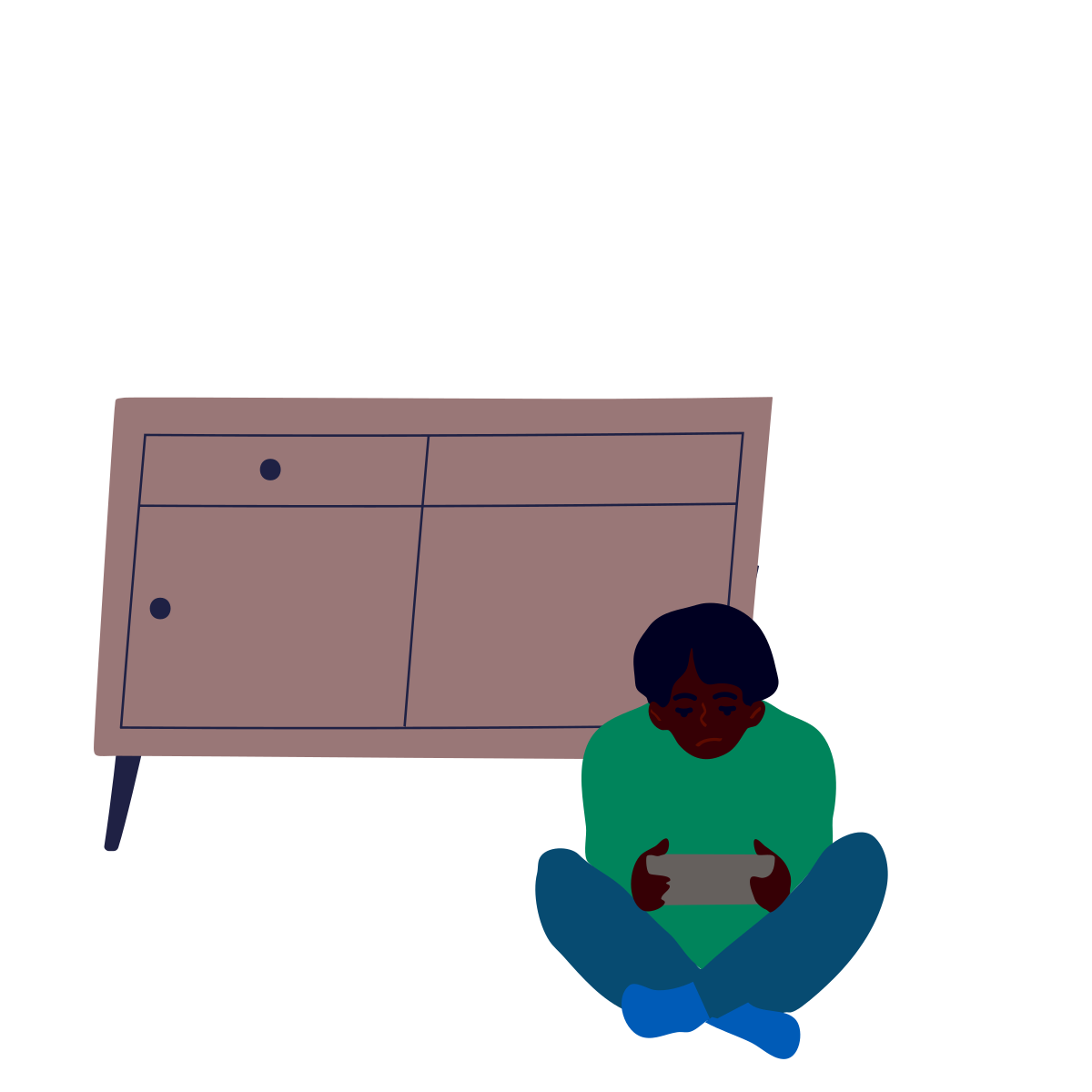
Arrow keys work too
01 · Setting a boundary
Tolerating feelings, negotiating boundaries
As parents we have to develop the capacity to tolerate our children’s feelings whatever they are. We have to learn how to negotiate boundaries with our children. We need to be clear about what we think is appropriate for them and what is not.
Wait for me and hold my hand before you cross the road.
A boundary
No phones at the table while we are eating.
A boundary
When we say these things, we are setting a boundary. We are telling our children what they can and can’t do, what is safe for them to do and what is not.
Our children may disagree with the boundaries we set, and we might be too easily tempted to change our minds.
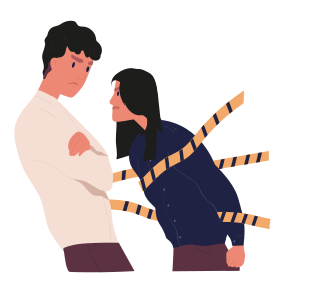
As parents we must learn to tolerate the hatred, sadness, frustration or anger that often accompanies boundary setting.
02 · An important lesson
You can really, really want something and not get it.
We need to teach our children to sit with the discomfort that comes with learning you can really, really want something and not get it. This is an important lesson in being human.
Sometimes as parents we find it hard to tolerate our children’s feelings. We find it difficult when they get sad, upset or angry.
Often, we struggle most to tolerate those feelings that we cannot bear in ourselves.
If we can’t tolerate our child being sad – it may be our own relationship to sadness that needs examining.
03 · Learning on the job
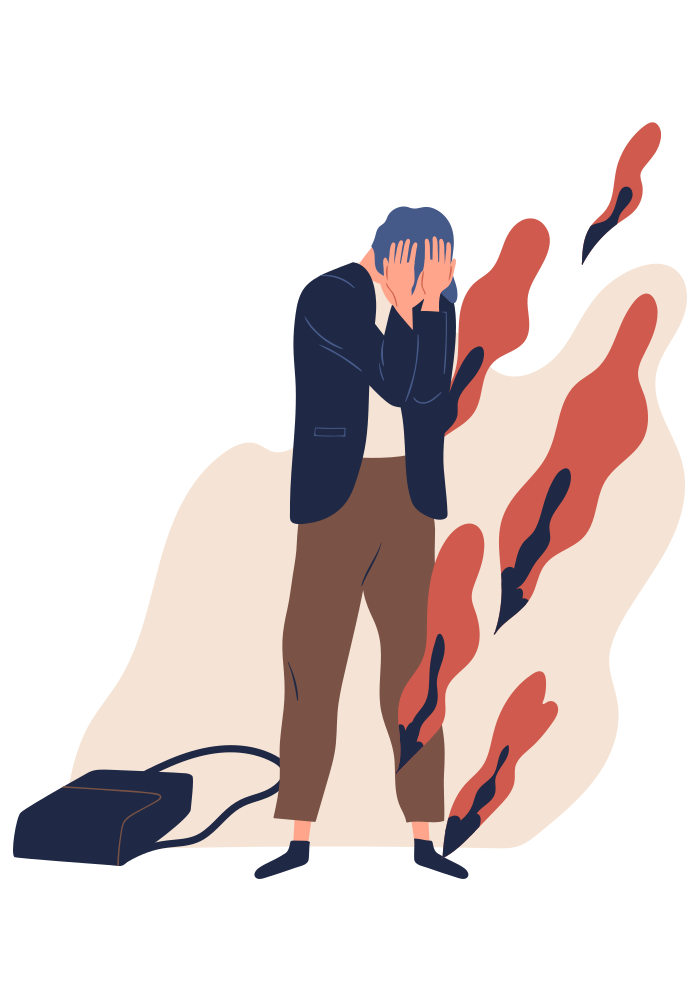
Our children can be our greatest teachers.
And all of us are constantly learning on the job.
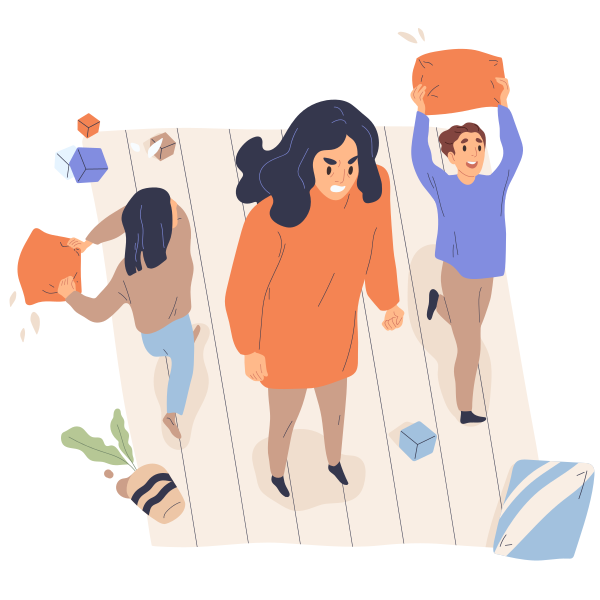
But even getting it right some of the time can make an enormous difference to family life.
04 · Wired differently
Children’s and teenagers’ brains are wired differently from ours.
The part of the brain that helps us to regulate our emotions – that helps us assess risk, exercise self-control, and cope with stress and adversity – doesn’t fully mature until we are in our mid-20s.

Fully mature
The brain’s ability to regulate emotions, assess risk, exercise self-control, and cope with stress and adversity develops over time.
05 · A container
When we set boundaries and apply new rules, children may have a big emotional reaction.
Because their brains haven’t fully developed, many children struggle to contain these emotions. Living with these big feelings – sadness, anger, frustration – may feel unbearable.
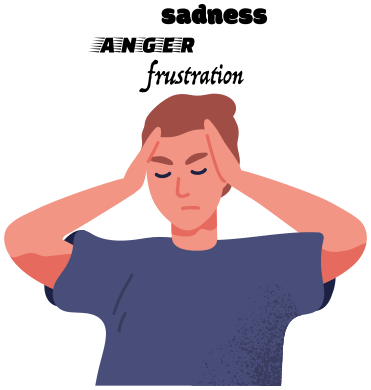
As adults, it’s our job to act as a container for our children’s big emotions.
When we tolerate our children’s big emotions, we send them a clear message. We are not scared by their anger, sadness, frustration, etc., even if they are. And our steady presence will help them to build their emotional resilience.
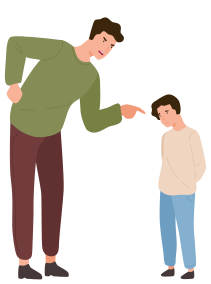
We can save them from the pain of “Unlovable thinking”. Banish the voice in their head that says:
“I’m a bad person because I get angry/sad/frustrated”
and instead replace it with the voice of self-compassion:
“Mum’s okay. Mum can cope. Mum doesn’t think I’m bad.”
Of course, we are only human, and children have a knack for pushing our buttons. Sometimes their big emotions really do feel too much and we lose it. Then we’re the ones who need to give ourselves a healthy dose of self-compassion:
“No one gets parenting right all of the time.”
06 · Seen and heard
Boundary setting is difficult. But if we come at it from a place of validation and empathy, we are more likely to invite
co-operationthanconflict.
All of us – adults and children alike – need to feel seen and heard. When we truly listen to what our children are saying and try to put ourselves into their shoes, we do just that – see them and hear them.
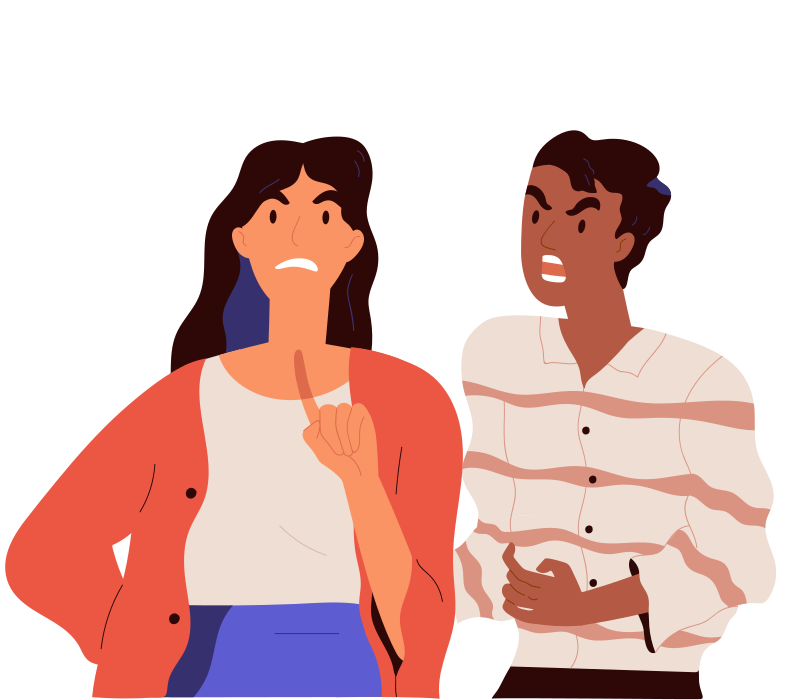
Fundamental to this is the acknowledgement that two conflicting points of view can be simultaneously true – and that’s okay.
07 · Two points of view
The coat
A child may not want to wear a coat to school. The adult looking after them may be adamant they need to.
The child’s perspective
“I don’t need a coat.”
- They are not cold.
- It’s their body.
- If they wear the coat they won’t be able to run around properly.
The adult’s perspective
“You need to wear it.”
- The child might not be cold now, but they may be later.
- The adult may be afraid other parents or teachers will judge them for not looking after their child properly.
Neither party is right or wrong.
Both are simply holding onto different points of view.
If we want our child to wear the coat without conflict, acknowledging that both points of view are valid, before we impose our decision, might help.
Feelings can be frightening.
Helping our children contain their emotions by validating their feelings and empathising with them makes the world a less scary place.
Try the free Mini Anger Course →
This guide is an educational resource and is not a substitute for therapy. If you are struggling, please speak to your GP.